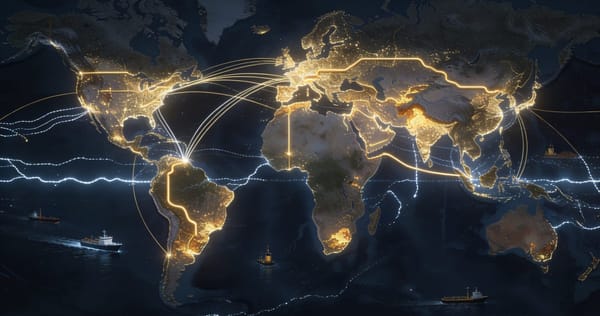
The Rare Earth Supply Chains
The minerals and processing hubs that quietly power modern electronics, energy systems, and defense technology.

Ledger Report
Modern technology depends on a small group of minerals most people rarely hear about.
———
Rare earth elements are used in everything from smartphones and electric vehicles to wind turbines, satellites, and advanced defense systems.
They are essential components of modern industry.
And yet the supply chains that produce them are surprisingly narrow.
Where Rare Earths Come From
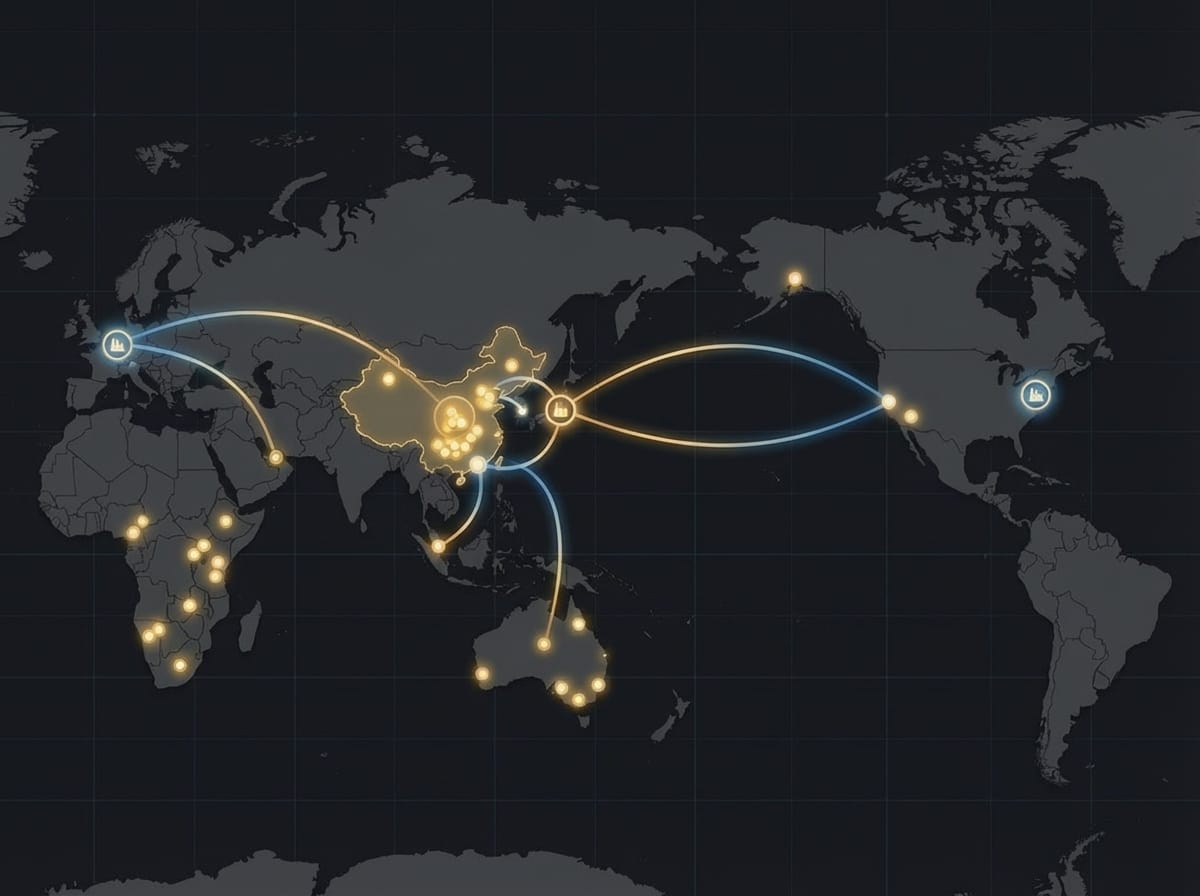
Rare earth elements are mined in several parts of the world.
Deposits exist in places like Australia, the United States, and parts of Africa. Mining operations extract the raw ore from the ground, but that’s only the beginning of the process.
The difficult step is refining.
Turning raw ore into usable rare earth materials requires complex chemical processing and specialized facilities.
And most of that refining capacity sits in one place.
The Refining Bottleneck
China currently dominates the global refining of rare earth elements.
A large portion of the world’s mined rare earth materials ultimately pass through Chinese processing plants before being turned into the components used in modern electronics and machinery.
This concentration didn’t happen overnight. It developed over decades as refining capacity, technical expertise, and industrial infrastructure accumulated in a small number of locations.
The result is a supply chain that spans multiple continents but converges at a few key processing hubs.
Why It Matters
Rare earth minerals are used in very small quantities, but they enable some of the most powerful technologies in the modern economy.
They make high-strength magnets used in electric motors.
They allow smartphones to vibrate and speakers to function.
They power components inside satellites, aircraft systems, and renewable energy equipment.
Without these elements, many modern technologies would be far less efficient — or wouldn’t function at all.
Which is why governments and industries around the world are now paying closer attention to the supply chains that produce them.
Because when critical materials flow through a narrow system, even small disruptions can ripple outward across entire industries.